In Summary
-
Physiological Regulation: Techniques like diaphragmatic breathing and progressive muscle relaxation work by physically altering the body’s stress response—increasing oxygen to break down stress hormones like cortisol and “wringing out” adrenaline from tense muscles to restore a state of calm.
-
Mental Reframing and Presence: Grounding exercises (like the 3-3-3 rule) and mindfulness help anchor an individual in the present moment, while cognitive tools like thought stopping allow people to intercept irrational patterns, such as catastrophizing, before they escalate into full-blown anxiety.
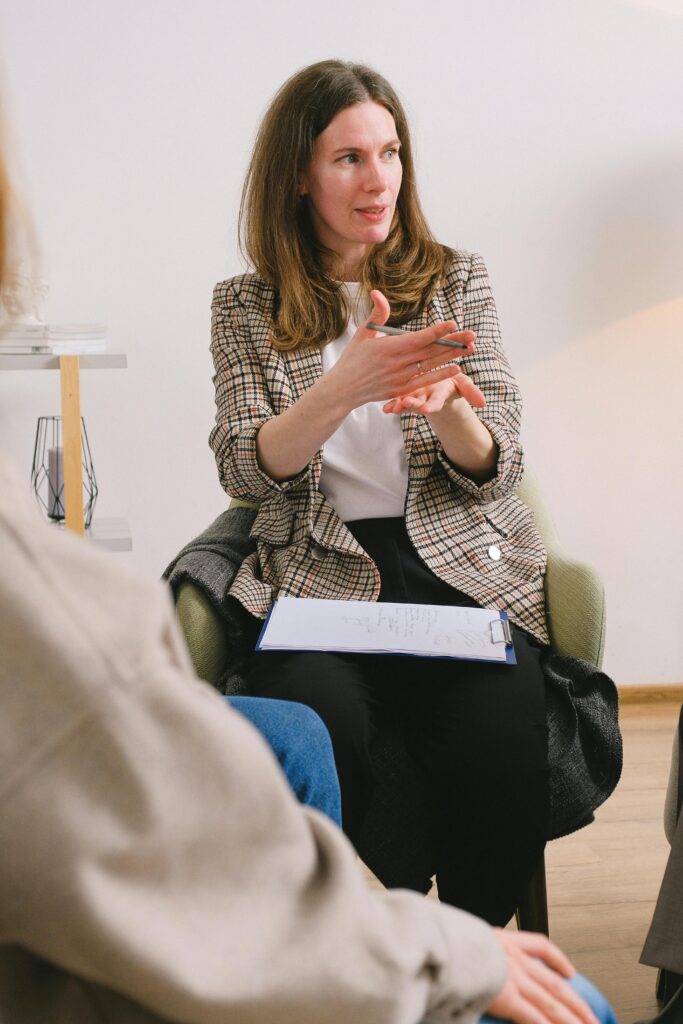
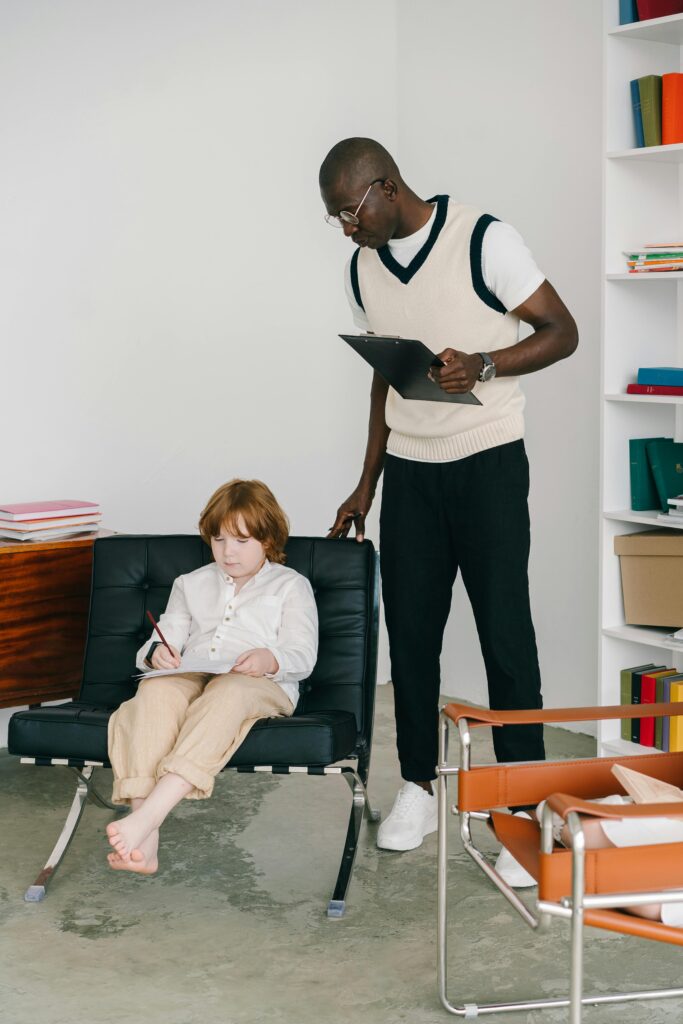
Anxiety is the number one issue people struggle with and seek counseling for. Therapy is intended to teach you both short-term coping skills and long-term solutions to your anxiety.
Does Breathing Really Help with Anxiety?
One of the skills you may be taught in therapy by your counselor is diaphragmatic breathing. Learning to breathe from your diaphragm rather than your lungs is important in this technique. By taking long, slow, deep breaths from your diaphragm, for a count of 8-10 seconds in and 8-10 seconds out, actually makes a big difference. The increased levels of oxygen coming into your body help to open up veins and arteries that may have begun to constrict when anxious, thereby allowing more blood flow and a more rapid break down of stress hormones like cortisol and adrenaline. Oxygen is your friend when it comes to anxiety.
How Does Progressive Muscle Relaxation Help Anxiety?
Another technique your counselor may teach you is progressive muscle relaxation. This simple technique has you systematically and progressively works through the various muscle groups, tensing and relaxing the different muscle groups for 5-10 seconds and relaxing them for 10-20 seconds. As adrenaline leeches into your muscle following an anxiety response, it prepares your body for fight or flight. Your counselor will help explain how this exercise works something analogously to wringing out a wet washcloth. The tensing helps get those stress hormones out of your muscle and brings them back to a state of relaxation.
How Does Grounding Techniques Help Anxiety?
When many people start experiencing anxiety, they are escalating mentally, emotionally, and physically. They become overwhelmed, feel out of control, and start to feel adrift and untethered. Grounding techniques are designed to help bring you back to reality and re-engage the moment and your surroundings. Your counselor may teach you the 3-3-3 rule. This technique is simple and just has you focus on 3 things you see, 3 things you hear, and has you move 3 body parts. Connecting to your sense and your surroundings grounds people and helps get back to the present moment.
How Does Mindfulness Help My Anxiety?
When you are feeling overcome with anxiety and stress, your therapist might suggest some mindfulness. There are a variety of different techniques or approaches to mindfulness. Your counselor might suggest taking a walk outside in nature. They will suggest focusing on your surroundings and using your senses to be present in the moment. Many people find this both calming and relaxing. A secondary benefit of channeling your focus onto your environment is that it often creates some distraction from the very things that were causing your anxiety. Getting that distance allows you to calm down and hopefully approach those stressors from a different mindset that allows you to strategize and tackle the problems more effectively.
Does Thought Stopping Reduce Anxiety?
A skilled counselor or therapist will have training in cognitive behavioral therapy (CBT), which is one of the most effective treatments for anxiety. With time and training many people become very skilled at quickly identifying repetitious thought patterns which have already become known to be irrational and counterproductive. Being freed from the need to analyze and examine these recurring anxiety provoking thoughts allows you to shut down and stop these thoughts before they have a chance to accelerate your anxiety. For example, your counselor may have helped you to discover that you are prone to catastrophizing (assuming things will end in disaster and a catastrophe), when those inner thoughts are heard, you immediately intercept and intervene to stop the thoughts before they take over your thought process.
If you are interested in counseling or therapy to help with your anxiety, feel free to contact IPC so you can schedule an appointment with counselor, social workers or psychologists. Please call us now at 763-416-4167, or request an appointment on our website: WWW.IPC-MN.COM so we can sit down with you and complete a thorough assessment and help you develop a plan of action that will work for you. Life is too short to be unhappy. Find the peace of mind you deserve.
To get more great resources, sign up for our newsletter, like us on Face Book, or follow us on Twitter.
Innovative Psychological Consultants
Schedule An Appointment
"*" indicates required fields